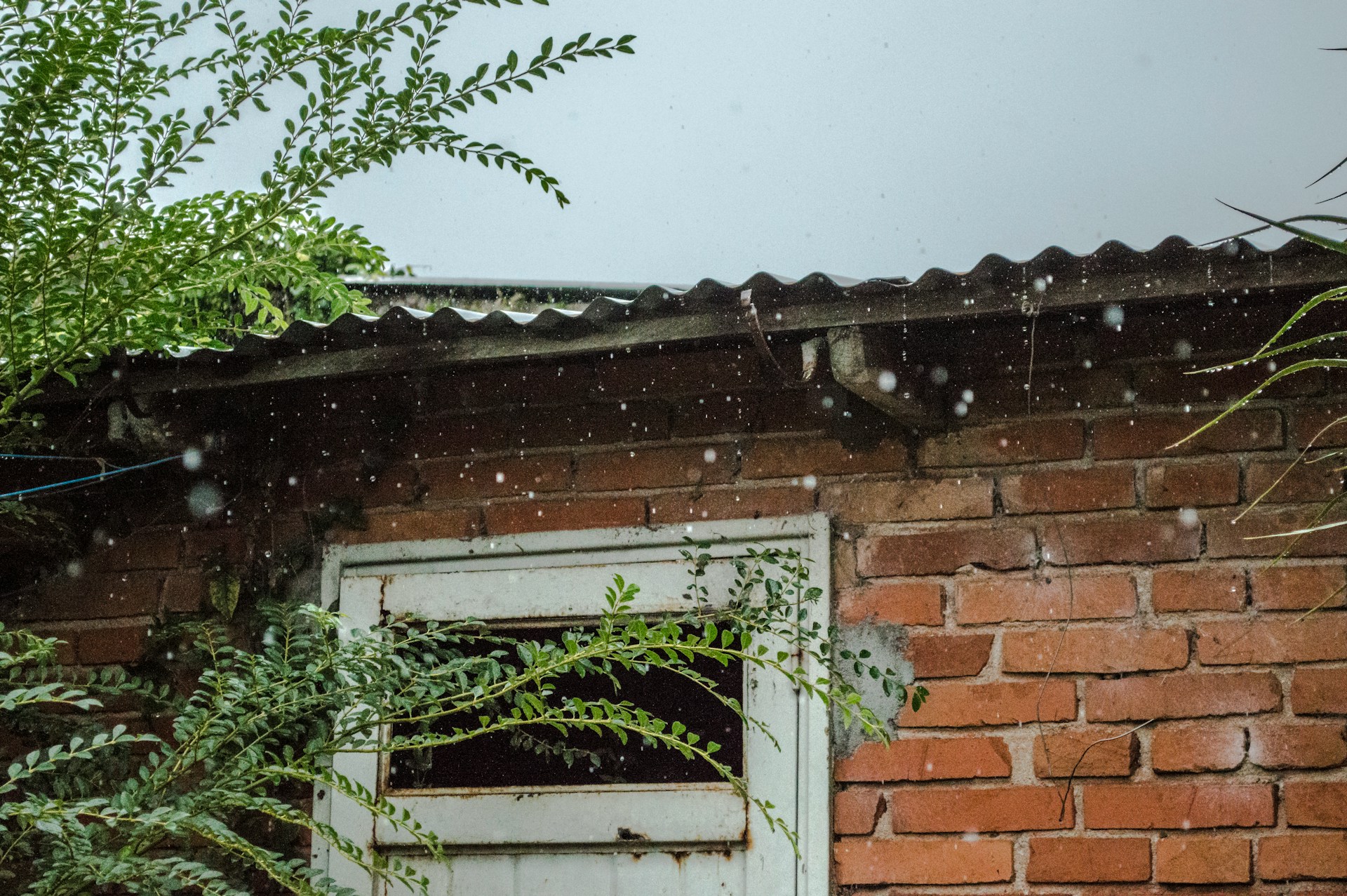
Weather shapes foundation behavior long before visible damage appears inside a home. A foundation repair plan must account for rainfall, heat, drought, freezing, and seasonal soil movement. These conditions change soil pressure, drainage, and moisture. Because of that, contractors cannot treat every crack or settlement the same way. Smart planning links damage with likely weather causes.
Weather and Foundation Repair Planning
A foundation responds constantly to changes in the ground beneath it. Heavy rain can saturate soil and increase pressure against foundation walls. In contrast, drought can dry clay soils and cause them to shrink. That movement may leave sections of the foundation without support. Therefore, weather and foundation repair decisions should consider recent and long-term conditions.
Contractors review rainfall history before recommending a repair method. They also study drainage, grading, and water collection near the home. These details can reveal why settlement is stronger on one side. Likewise, dry periods may explain new gaps near doors or windows. These patterns help teams separate structural problems from seasonal movement.
Rainfall Changes Soil Moisture and Pressure
Frequent rain can stress foundations when drainage is poor. Water enters soil pores, increases weight, and changes pressure against walls. In expansive clay, added moisture can cause swelling beneath slabs and footings. As a result, floors may rise unevenly while walls develop cracks. Foundation moisture problems often worsen during wet seasons.
A repair plan should address the water source and the structural damage. For example, technicians may recommend better grading, downspout extensions, or surface drainage. Those steps can reduce future soil movement. However, drainage improvements should support structural work, not replace it when settlement is severe. A balanced plan links water control with the correct repair method.
Drought Can Increase Foundation Settlement
Dry weather creates a different risk, especially in regions with expansive soils. Clay loses volume as moisture disappears, causing ground to pull away from the foundation. The structure may then settle into weakened areas. As a result, cracks can widen during hot, dry periods. Doors may also stick because framing shifts with the foundation.
Drought-related foundation damage develops gradually, so timing matters. Contractors may monitor movement before choosing pier placement or another stabilization method. They may also inspect nearby trees, irrigation, and exposed soil. These factors affect moisture loss and can increase uneven settlement. Careful evaluation prevents repairs based on a short extreme-weather period.
Temperature Swings Affect Repair Conditions
Temperature changes influence both soil behavior and the repair process. Repeated heating and cooling can change moisture evaporation around homes. In colder regions, freezing soil may expand and pressure shallow foundation sections upward. Later, thawing can reduce support and create new movement. Therefore, seasonal cycles deserve attention during inspection and planning.
Weather also affects when certain repair materials perform best. Concrete, sealants, and coatings often have temperature and moisture limits. Contractors must follow those limits to protect curing and bonding quality. For this reason, the best schedule may avoid extreme heat, heavy rain, or freezing conditions. Proper timing helps the system reach its intended strength.
Seasonal Patterns Improve Diagnosis
One inspection provides information, but seasonal history provides better context. Homeowners often notice cracks opening during drought and narrowing after rain. This pattern does not always mean the problem is harmless. Instead, it may show that soil movement repeatedly stresses the structure. Over time, seasonal movement can become permanent.
Repair professionals can compare current measurements with earlier photos or inspection records. They may track crack width, floor elevation, or wall movement. These comparisons help identify whether damage is active, stable, or strongly seasonal. As a result, the repair plan becomes more precise. It can target the areas that move most.
Drainage Should Support Structural Repairs
Foundation repair works best when water conditions are controlled. Even a strong stabilization system can face added stress when roof runoff collects beside the home. Poor grading may also direct stormwater toward the foundation instead of away. For this reason, drainage improvements often form part of a complete foundation repair plan. They reduce avoidable moisture changes near repairs.
The drainage strategy depends on the property and local weather patterns. Some homes need surface corrections, while others need extensive water management. Contractors should avoid applying the same drainage solution everywhere. Instead, they should match recommendations to soil type, slope, rainfall intensity, and foundation design. This site-specific approach supports long-term performance.
Building a Weather-Responsive Repair Strategy
The strongest foundation repair plan combines structural evidence with weather history and soil behavior. Rainfall, drought, temperature shifts, and drainage all influence how damage develops. When contractors evaluate these forces together, they can choose methods with greater confidence. Homeowners also gain a clearer explanation of why repairs are needed. That clarity supports better decisions about timing and scope.
Weather and foundation repair planning should remain connected after the project ends. Ongoing drainage care, moisture control, and seasonal observation can protect the repaired structure. These habits help reduce future movement and reveal new issues earlier. Most importantly, a weather-responsive strategy treats the foundation as part of a changing environment. That perspective creates durable repairs and stronger long-term value.