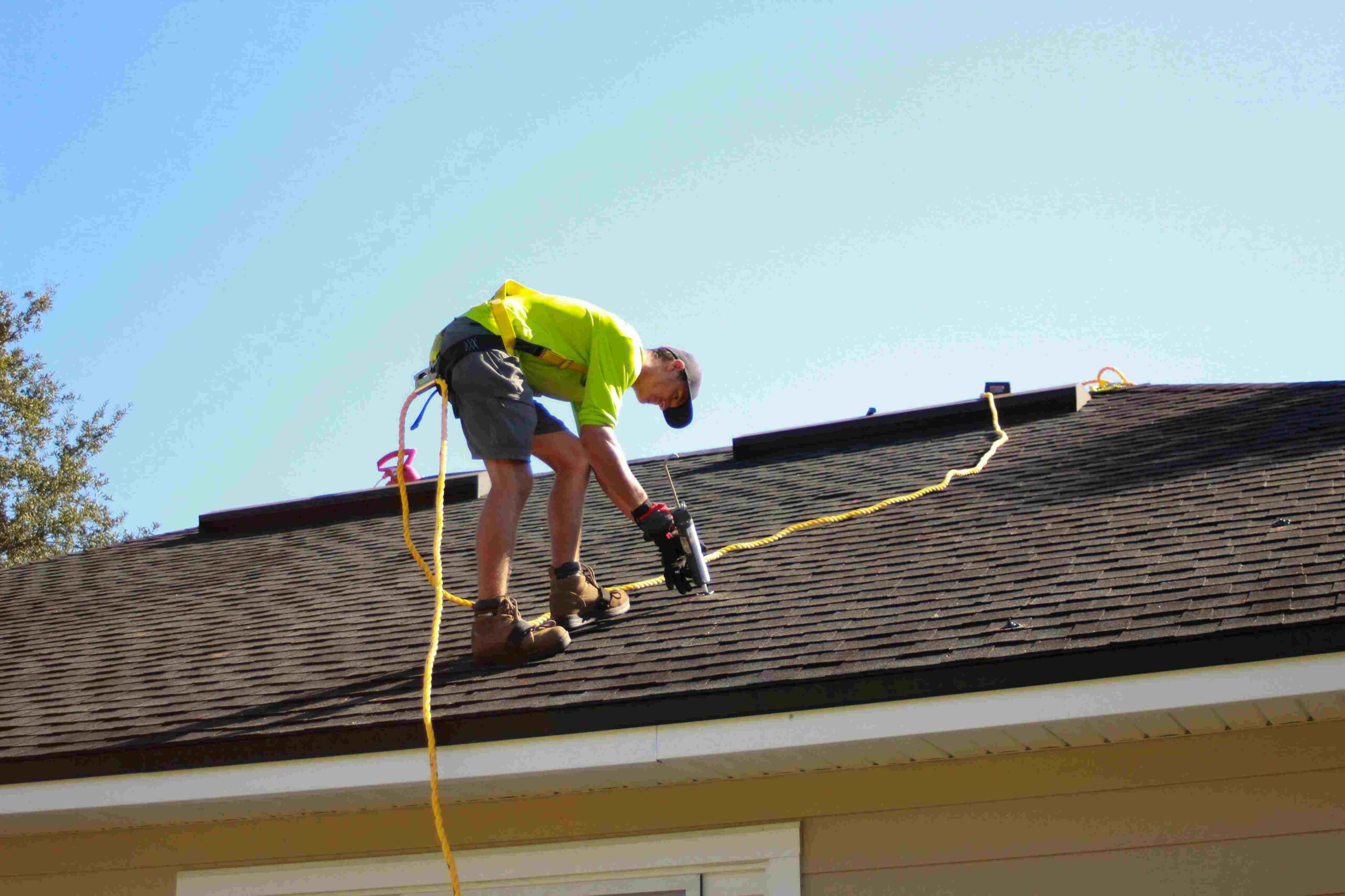
Hiring a roofing contractor is an important decision for any homeowner. Your roof protects your home from rain, wind, heat, and other weather conditions. Poor installation or careless repairs can lead to leaks, structural damage, and costly maintenance. Choosing the right professional helps protect your investment and gives you confidence in the work.
However, not every roofing company offers the same level of service. Some contractors have years of experience, while others may lack proper training or reliable business practices. Before signing an agreement, you should investigate the contractor’s background, qualifications, and reputation. A careful review can help you avoid unexpected costs and disappointing results.
Research the Contractor’s Background and Reputation
Start by learning about the roofing company’s history. Find out how long the business has operated and whether it has experience with projects similar to yours. Established contractors often have a record of completed work that you can review. However, years in business alone do not guarantee quality. Look for evidence of dependable service, clear communication, and satisfied customers.
Online reviews can provide useful information about a contractor’s performance. Read feedback on independent platforms and pay attention to repeated complaints or positive experiences. Look beyond star ratings and examine how the company responds to customer concerns. A professional contractor should address problems respectfully and offer reasonable solutions. You can also ask neighbors or friends for recommendations based on their experiences.
Verify Licensing and Insurance Coverage
Before hiring a roofing contractor, check whether the company holds the licenses or registrations required in your area. Requirements vary by state and local government. Some locations require special roofing licenses, while others follow general contractor rules. Contact the appropriate licensing authority to confirm the company’s status. This step helps you identify contractors who meet applicable legal requirements.
Insurance is equally important because roofing involves physical risks. Ask for proof of general liability insurance and workers’ compensation coverage where required. Liability insurance can help address certain property damage claims, while workers’ compensation may cover employees who suffer job-related injuries. Request current insurance certificates and verify coverage directly with the insurance provider when possible. Never assume that a contractor has adequate protection simply because the company claims to be insured.
Examine Previous Roofing Projects
A contractor’s completed projects can reveal valuable details about workmanship. Ask to see photographs of recent roofing installations or repairs. Look for clean edges, consistent materials, and careful finishing around roof openings. Pictures alone cannot prove installation quality, but they can help you understand the company’s experience and attention to detail.
You should also request references from previous customers. Contact homeowners who completed similar projects and ask about their overall experience. Find out whether the contractor followed the schedule, respected the property, and handled unexpected problems professionally. Ask whether the roof has performed well since installation. When possible, review projects completed several years earlier. Long-term performance can reveal more than photographs taken immediately after construction.
Compare Written Estimates and Project Costs
Collect written estimates from several roofing contractors before making a decision. Each estimate should explain the proposed work, materials, labor charges, and expected costs. Ask whether the price includes removing old roofing materials, repairing damaged surfaces, and cleaning the property afterward. Detailed estimates make it easier to compare companies fairly.
Avoid choosing a contractor based only on the lowest price. A surprisingly cheap estimate may leave out important services or use lower-quality materials. On the other hand, a high price does not automatically guarantee better results. Compare the proposed materials, installation methods, warranties, and services. Ask contractors to explain any major price differences. A trustworthy professional should discuss costs openly and provide clear answers without pressuring you to decide immediately.
Evaluate Communication and Professional Behavior
Good communication plays a major role in successful roofing projects. Notice how quickly contractors respond to questions and whether they provide complete answers. Reliable professionals should explain the process in simple language and discuss possible challenges before work begins. They should also respect your concerns and avoid making promises they cannot support.
Pay attention to how the contractor handles your initial consultation. A professional should inspect the roof carefully before recommending major repairs or replacement. Be cautious when someone offers a firm price without understanding the roof’s condition. Contractors who rush conversations, avoid questions, or pressure homeowners into immediate decisions may create problems later. Choose someone who listens carefully and makes the project easier to understand.
Review Roofing Materials and Installation Methods
The materials used on your roof affect durability, appearance, and future maintenance needs. Ask the contractor which products they recommend and why those materials suit your home. Consider local weather conditions, roof design, and expected service life. A knowledgeable professional should explain the advantages and limitations of different options without pushing unnecessary upgrades.
Installation quality matters just as much as material selection. Ask how the contractor plans to protect vulnerable areas around vents, chimneys, and roof edges. Discuss how the crew will handle existing damage and prepare the surface before installing new materials. Proper preparation can help prevent future leaks and premature wear. The contractor should follow applicable building codes and manufacturer instructions. Clear explanations show whether the company understands the work your home requires.
Understand Warranty Terms and Protection
Roofing warranties can offer valuable protection, but their terms vary widely. Some cover defects in roofing materials, while others address installation problems. Ask the contractor to explain both types of coverage and identify who handles claims. A manufacturer may provide a product warranty, while the roofing company may offer separate workmanship protection.
Read warranty documents carefully before signing anything. Check how long coverage lasts, what conditions may cancel it, and whether repairs involve additional charges. Some warranties require regular maintenance or specific installation practices. You should also ask what happens if the roofing company closes or changes ownership. Written warranty details help prevent misunderstandings and give you a clearer picture of your long-term protection.
Confirm the Project Timeline and Work Process
Roofing work can disrupt daily routines, so discuss the expected schedule before approving the project. Ask when work will begin, how long it should take, and what circumstances could cause delays. Weather conditions, hidden damage, and material availability may affect progress. A responsible contractor should provide a realistic timeline rather than guarantee completion under every possible condition.
Discuss how workers will protect your property throughout the project. Ask about landscaping, driveways, outdoor furniture, and waste removal. Find out whether the company uses its own employees or hires other crews. You should know who will supervise the work and answer questions during construction. Clear expectations about daily operations can reduce confusion and help maintain a safe, organized work area.
Inspect Contract Details Before Signing
A written contract should explain the entire roofing agreement. Review the scope of work, selected materials, total price, payment schedule, and expected completion date. The document should also identify the contractor and describe responsibilities for permits, cleanup, and unexpected repairs. Make sure every important promise appears in writing rather than relying on verbal assurances.
Pay close attention to payment requirements and cancellation terms. Avoid contractors who demand the full project cost before work begins. Payment schedules should reflect reasonable progress and comply with local laws. Ask how the company handles changes that increase costs. Any additional work should require your approval and written documentation. If something seems unclear, request an explanation before signing. Never feel obligated to accept terms you do not understand.
Recognize Warning Signs and Make a Confident Decision
Certain behaviors should make homeowners more cautious. Contractors who refuse to provide references, avoid written estimates, or cannot verify insurance deserve closer examination. Be careful with unexpected offers that require immediate payment. Following major storms, some companies may approach homeowners with urgent promises. Take enough time to verify their qualifications before agreeing to expensive work.
Choosing a roofing contractor requires patience, research, and careful comparison. The best choice combines appropriate qualifications, reliable references, transparent pricing, and professional communication. Review every document and ask questions until you understand the proposed work. A dependable contractor should welcome reasonable scrutiny and respect your decision-making process. By checking these details before signing, you can reduce financial risks, protect your property, and move forward with greater confidence in your roofing investment.