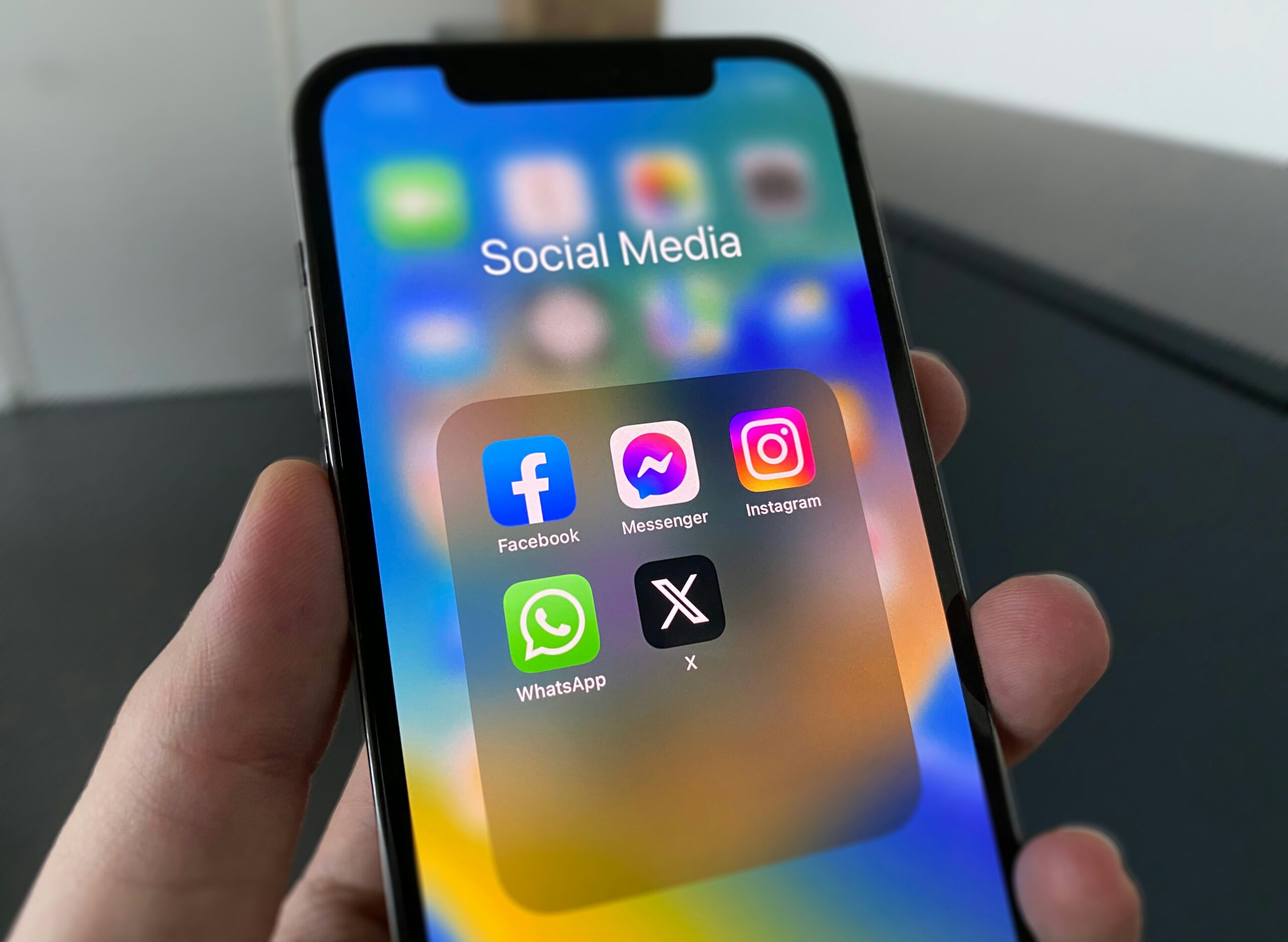
Social media has transformed the way organizations connect with their communities. From nonprofits to local businesses, platforms like Facebook, Instagram, and Twitter provide tools to engage, inform, and inspire audiences in ways that were not possible a decade ago. Leveraging social media for community outreach allows organizations to share their mission, highlight events, and foster meaningful connections with the people they serve. By using these platforms strategically, you can increase engagement, build trust, and make a lasting impact in your community.
Understanding Your Audience
The first step in effective community outreach is understanding who you are trying to reach. Social media provides valuable data on demographics, interests, and engagement patterns, which helps shape your outreach strategy. Knowing your audience allows you to create content that resonates and encourages interaction.
For instance, a local library promoting reading programs can target parents of young children through Facebook groups and Instagram posts. By tailoring messages to the audience’s interests, organizations increase the likelihood that their content will be seen, shared, and acted upon.
Choosing the Right Platforms
Not all social media platforms are the same, and selecting the right ones is critical for reaching your community effectively. Each platform has its own strengths, whether it is Facebook for community groups, Instagram for visual storytelling, or Twitter for quick updates and engagement.
A local nonprofit aiming to recruit volunteers might focus on Facebook and LinkedIn for professional networking, while a community theater could use Instagram and TikTok to showcase performances. Focusing efforts on platforms where your audience spends the most time ensures your message reaches the right people efficiently.
Creating Engaging Content
Content is the heart of social media outreach. Posts should be clear, visually appealing, and meaningful to your audience. Combining images, videos, and text helps capture attention and encourages participation.
For example, a food bank sharing a short video of volunteers preparing meals can inspire community members to donate or volunteer. Storytelling adds a human element, making the message relatable and memorable. Consistent posting and relevant content help maintain interest and strengthen your connection with the audience.
Encouraging Interaction and Feedback
Engagement is a two-way street. Social media provides opportunities for communities to interact through comments, messages, and shares. Encouraging this interaction strengthens relationships and fosters trust.
Organizations can ask questions, run polls, or host live Q&A sessions to gather feedback and spark conversation. A community center posting a poll on preferred weekend activities not only collects useful insights but also shows that the organization values its audience’s input. This interaction builds a sense of belonging and community ownership.
Collaborating with Local Influencers and Partners
Partnerships can expand your reach and lend credibility to your outreach efforts. Collaborating with local influencers, businesses, or community leaders can amplify your message and engage new audiences.
For instance, a local health clinic partnering with a popular community blogger can promote wellness events to a broader audience. Similarly, partnering with schools or small businesses allows organizations to tap into existing networks, increasing the visibility and impact of their outreach campaigns.
Measuring Success and Adjusting Strategies
Tracking performance is essential to ensure that your social media efforts are effective. Metrics such as engagement rates, post reach, website clicks, and event registrations provide insights into what works and what needs improvement.
If a nonprofit notices that Instagram posts about volunteer opportunities receive high engagement but Facebook posts do not, it may adjust its strategy to focus more on Instagram. Regularly reviewing data and adjusting strategies ensures that your outreach efforts remain relevant, efficient, and impactful.
Using Social Media to Promote Events and Initiatives
Social media is a powerful tool for promoting community events, programs, and initiatives. Posts with clear calls to action encourage participation and support.
For example, a local park organizing a cleanup day can create an event page on Facebook, post reminders on Instagram, and share short video teasers on TikTok. These efforts generate excitement, increase attendance, and strengthen community involvement. Timely updates and follow-ups keep the audience engaged and informed throughout the campaign.
Building Long-Term Relationships
Community outreach is not just about one-time campaigns; it is about fostering lasting relationships. Consistent communication, transparency, and responsiveness help organizations build trust and loyalty within their communities.
Responding to comments, acknowledging support, and sharing successes reinforce the connection between the organization and the audience. Over time, these relationships create a network of advocates who can help promote your mission, volunteer for events, and contribute to long-term growth.
Leveraging social media for effective community outreach requires understanding your audience, selecting the right platforms, creating engaging content, fostering interaction, forming partnerships, measuring success, promoting events, and building lasting relationships. By approaching social media strategically, organizations can make meaningful connections, strengthen their presence, and positively impact the communities they serve.