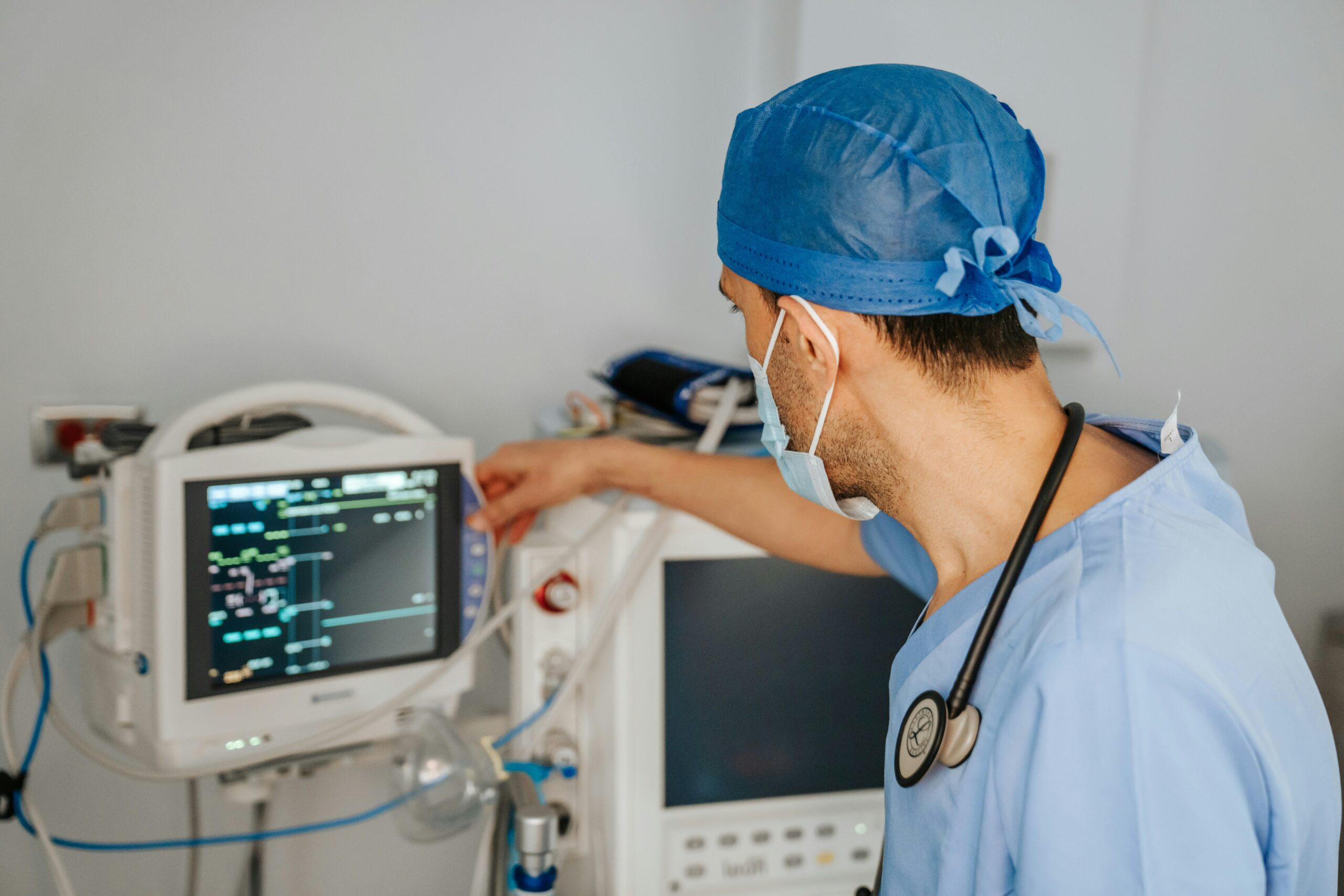
Healthcare is changing rapidly. Medical facilities are no longer relying only on traditional methods. They are adopting modern technology to improve care, speed up services, and support medical staff. This shift is not just about new tools. It is about creating a system that works better for patients and providers.
Today, hospitals and clinics use digital systems, smart devices, and connected platforms to manage daily operations. These improvements help reduce delays, improve accuracy, and make healthcare more accessible. As a result, patients receive faster attention and more personalized care.
Smarter Patient Care Through Digital Systems
Medical facilities now depend on digital systems to manage patient information. These systems store health records securely and in an organized manner. Doctors can quickly access a patient’s history, test results, and treatment plans without searching through paper files. This saves time and reduces the chance of missing important details.
Digital systems also improve coordination between departments. When different healthcare providers can see the same updated information, they make better decisions together. This leads to smoother treatment processes and fewer repeat tests, helping patients avoid unnecessary procedures.
Faster and More Accurate Diagnosis Support
Technology is helping doctors understand health conditions more quickly. Modern tools can analyze medical images and patient data with high accuracy. This helps doctors detect problems earlier, even before symptoms become severe. Early detection often leads to better recovery outcomes.
These tools do not replace doctors. Instead, they support them. Doctors still make the final decisions, but they now have more reliable information. This balance between human experience and technology leads to safer and more confident medical care.
Better Access to Care Through Remote Services
Medical care is no longer limited to hospital visits. Many patients now speak with doctors through video calls or online platforms. This approach helps people who live far from hospitals or have difficulty traveling. It also saves time for both patients and healthcare providers.
Remote services also help in follow-up care. Patients can check in with their doctors without returning to the hospital. This makes it easier to track recovery and adjust treatment when needed. It also reduces pressure on busy medical facilities.
Improved Hospital Efficiency with Smart Tools
Hospitals now use smart tools to manage daily operations. These tools help track equipment, manage rooms, and monitor hospital conditions. This creates a smoother workflow and reduces confusion in busy environments. Staff can focus more on patients instead of searching for resources.
Smart systems also help control energy use and hospital conditions. Lighting, temperature, and safety systems can automatically adjust as needed. This improves patient comfort and helps hospitals reduce waste and save resources over time.
Wearable Devices Supporting Continuous Health Tracking
Wearable devices have become important in modern healthcare. These devices track basic health signals, such as heart rate and activity levels. Patients can use them daily without changing their routine. This creates a constant stream of health information that doctors can review when needed.
These devices are especially helpful for people with long-term health conditions. Doctors can notice changes early and respond faster. Patients also feel more involved in their own health, which encourages better habits and more awareness of their condition.
Safer Care Through Improved Communication Tools
Clear communication is very important in healthcare. Modern tools now allow doctors, nurses, and staff to share information quickly. Messages, updates, and reports can move instantly across departments. This reduces delays and prevents misunderstandings.
Better communication also improves patient safety. When everyone involved in a patient’s care has the same information, mistakes are less likely. This helps medical teams work together more smoothly and improves trust in the healthcare system.
Robotics Helping in Medical Tasks and Surgery
Robots are now used in many medical tasks. In surgery, they help doctors perform precise movements with greater control. This can reduce damage to the body and support faster patient recovery. It also makes complex procedures easier to manage.
Outside of surgery, robots assist in routine hospital work. They can move supplies, deliver medicine, and support cleaning tasks. This reduces pressure on hospital staff and allows them to focus more on direct patient care, which improves overall service quality.
Data Use for Better Healthcare Decisions
Hospitals collect large amounts of health information every day. This data helps them understand patterns and improve services. When used correctly, it can show which treatments work best and where improvements are needed. This leads to better planning and stronger healthcare systems.
Data also helps predict future needs. Hospitals can prepare for busy periods, manage staff schedules, and ensure enough resources are available. This reduces stress during peak times and helps patients receive care faster.
A Smarter Future for Healthcare
Technology is changing healthcare in powerful ways. It is making medical facilities faster, safer, and more organized. Patients now benefit from better access, improved care, and stronger communication with medical teams. Healthcare providers also gain better tools to support their work.
As innovation continues, medical facilities will become even more advanced. The focus will remain on improving patient outcomes and making healthcare more efficient. This combination of human skill and modern technology is shaping a stronger future for healthcare systems worldwide.