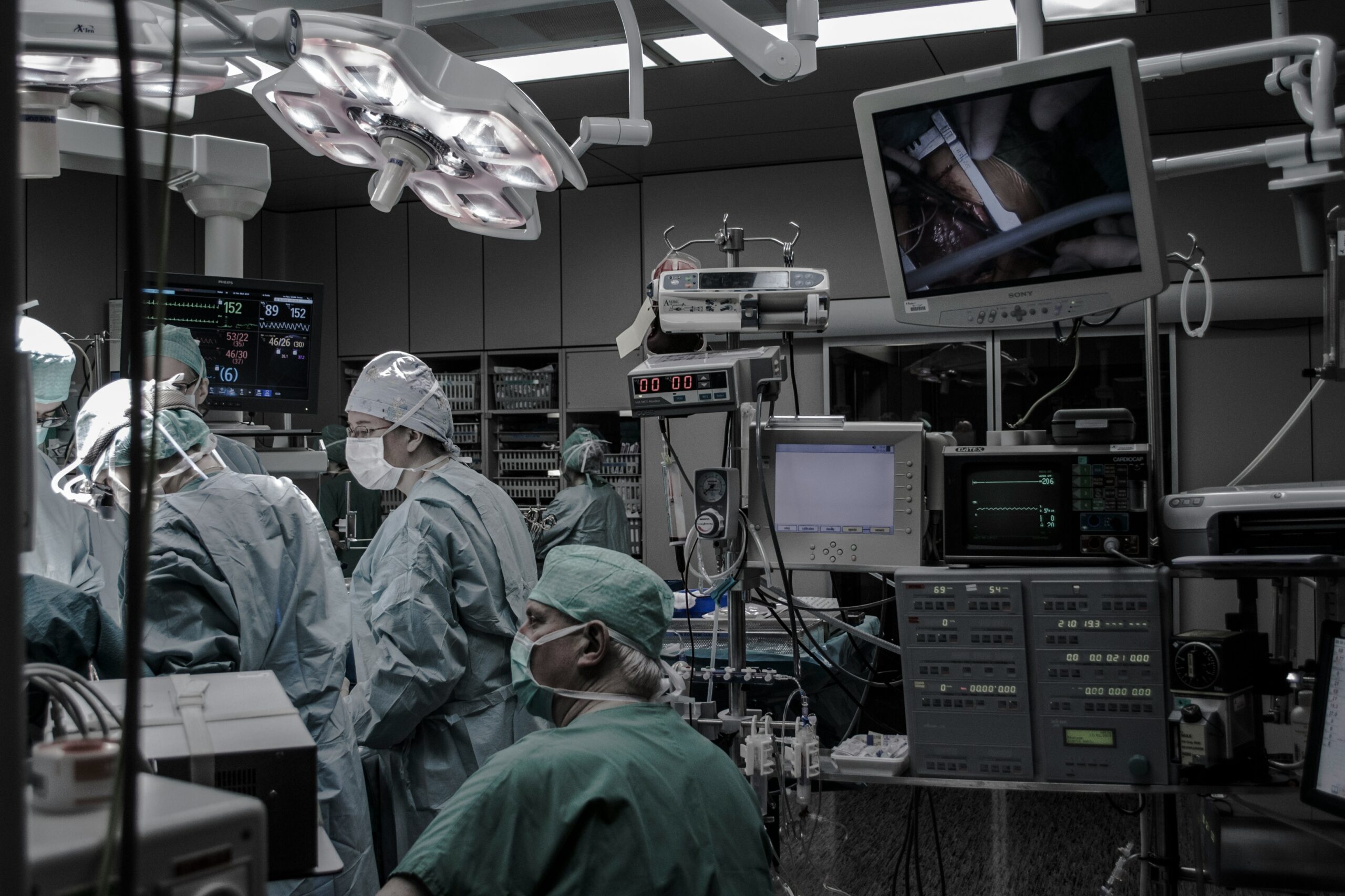
Modern medical facilities are evolving quickly with the help of innovative technology. Hospitals, clinics, and diagnostic centers now rely on advanced tools to deliver better care, improve efficiency, and ensure patient satisfaction. Technology is not just adding value; it is becoming the core of how healthcare operates today.
The need for faster service, accurate diagnosis, and smooth communication between patients and providers drives this transformation. Medical teams now have access to digital solutions that help them do their jobs more effectively while giving patients greater control over their health. The result is a smarter and more responsive healthcare environment.
Creating Smoother Patient Journeys
Hospitals and clinics once involved long wait times, handwritten records, and repetitive forms. Now, digital systems manage appointments, check-ins, and medical records. This means a patient can book a visit online, receive reminders, and check test results from a mobile device. These updates reduce stress and save time for both patients and staff.
Doctors also have access to full medical histories in seconds. They can view scans, lab results, and notes all in one place. This helps them make faster, more informed decisions. The overall experience becomes easier and safer for the patient from the moment they enter a facility until they leave.
Making Treatment More Accurate
Doctors use advanced tools to diagnose and treat patients with greater precision. Imaging systems produce clearer pictures of the body. Lab machines detect blood problems more quickly. These tools reduce the risk of errors and help doctors act before conditions worsen.
Technology also supports doctors by providing real-time alerts and recommendations. If a medication might cause harm or interact badly with another, systems warn the doctor right away. This helps avoid mistakes and ensures each patient gets the right treatment at the right time.
Helping Medical Teams Stay Connected
A modern medical facility is full of professionals working together. Nurses, doctors, specialists, and support staff need to stay on the same page. Digital tools allow them to share updates, test results, and care plans instantly. Everyone involved in a patient’s care is informed without delay.
This kind of coordination also reduces repeated work. Instead of doing the same test twice or asking the same question, staff can access shared records. It creates a smoother experience for patients and saves care teams time.
Supporting Faster Emergency Response
In emergencies, every second counts. Technology helps medical teams act fast and stay focused. Digital records give them immediate access to a patient’s health background. This allows emergency staff make quick, informed decisions.
Advanced monitoring tools also track vital signs and alert staff if something changes. If a patient’s heart rate drops or breathing becomes shallow, the system immediately notifies a nurse or a doctor. This quick action can save lives and reduce the risk of complications.
Improving Recovery After Care
Patients do not stop needing care after they leave the hospital. Technology follows them home. Tools like mobile apps, video calls, and remote monitors help doctors keep an eye on recovery. This means fewer hospital readmissions and better health outcomes.
Patients can report how they feel, ask questions, and get advice without needing to travel. This support encourages them to follow their care plan and reach out if problems arise. It also helps doctors catch small issues before they grow into big ones.
Making Healthcare More Personal
Every patient is different, and technology allows care to match those differences. With access to personal health data, doctors can adjust treatments based on age, history, or even genetics. This means patients receive care that fits their specific needs rather than one-size-fits-all solutions.
Patients also get more say in their treatment. They can review their records, track progress, and work with their doctors to set goals. This partnership creates trust and makes the care process more engaging and respectful.
Protecting Patient Information
As more medical data goes digital, keeping it safe is a top concern. Medical facilities use secure systems to protect records from loss or theft. Strong passwords, encryption, and access controls make sure only the right people see sensitive information.
These protections also support trust between patients and providers. Patients are more likely to share details when they know their privacy is protected. This open exchange helps doctors provide better care, and patients feel more confident.
Saving Time and Reducing Costs
Technology reduces delays, mistakes, and unnecessary steps. This not only saves time but also lowers costs for both facilities and patients. Automated billing, digital charting, and electronic prescriptions all make daily tasks faster and more accurate.
When staff can complete tasks quickly, they have more time to focus on patient care. At the same time, fewer errors mean less money spent fixing problems. This balance allows medical centers to deliver high-quality care without wasting valuable resources.
Building Smarter Facilities
Today’s hospitals are more than buildings. They are smart environments that respond to the needs of staff and patients. Sensors track room usage, lighting adjusts based on movement, and temperature settings ensure comfort. These systems also help control energy use and lower environmental impact.
In the future, medical facilities will likely include even more smart features. From voice-controlled systems to real-time equipment tracking, the goal is to make healthcare spaces work better for everyone.
Supporting Research and Innovation
Technology also drives research that leads to better treatments. Medical centers use large sets of patient data to study patterns, test ideas, and create new solutions. This research helps doctors understand diseases better and develop new ways to treat them.
Innovation in technology keeps moving forward. What starts in labs soon reaches hospitals. As new tools become available, they bring improvements that touch every part of healthcare, from prevention to recovery.
Reaching More People Everywhere
Technology makes healthcare more accessible, especially for those in remote or rural areas. Patients can talk to doctors through video calls, send updates through apps, and receive guidance without leaving home. This kind of access means people get the help they need, no matter where they live.
For communities with limited healthcare services, these tools are a game-changer. They bridge the gap and bring expert care closer to those who might otherwise go without. This expansion improves health on a larger scale and supports global well-being.