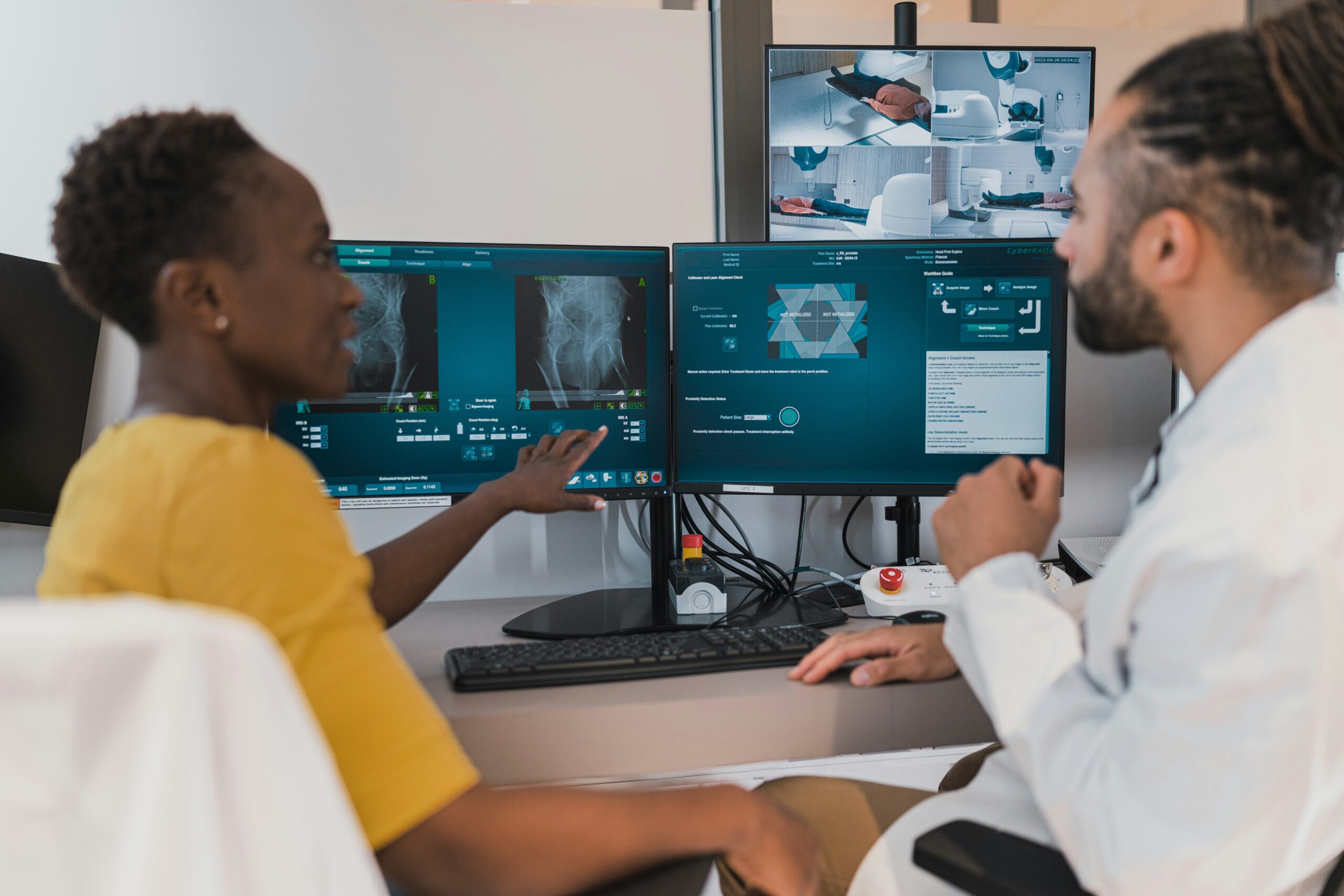
Digital transformation in medical facilities marks a significant shift in how healthcare leaders improve care, streamline workflows, and support clinical teams. Hospitals and clinics now rely on digital tools and connected systems to manage rising patient demand and operational challenges. Because these tools work together, they create a more innovative, more efficient environment. As a result, patients receive faster, safer care, while providers gain more time to focus on treatment rather than paperwork.
Healthcare teams face pressure to reduce errors, shorten wait times, and increase communication. Therefore, digital transformation in medical facilities plays a crucial role in solving these issues. With stronger data systems and advanced technology, staff can work more confidently while maintaining high service standards. As trends evolve, medical organizations continue to adopt new solutions that support long-term success.
Empowering Clinical Teams With Real-Time Data
Real-time data helps care teams act faster and make better choices. When medical facilities use digital dashboards, clinicians can see patient updates in real time. They check lab results, vital signs, and imaging reports without delays. Because information stays accurate and up to date, doctors and nurses make quicker decisions, often improving outcomes.
Digital transformation in medical facilities also reduces communication gaps. Teams share data across departments, helping them avoid duplicate tests and confusing paperwork. When everyone uses the same system, care becomes smoother and more organized. These improvements create a positive experience for both patients and staff.
Improving Patient Flow Through Smart Scheduling Systems
Efficient scheduling is one of the most powerful benefits of digital tools in healthcare. Innovative scheduling systems help staff predict busy times, assign rooms, and reduce bottlenecks. Because these systems adjust to incoming data, they improve patient flow throughout the entire facility. As a result, patients wait less and move through every stage of care more smoothly.
Digital transformation in medical facilities also improves appointment management. Automated reminders lower no-show rates, and online portals let patients manage their visits independently. With fewer scheduling issues, staff reduce stress and focus more on direct care. This shift leads to better performance across all operational levels.
Strengthening Patient Engagement With Digital Tools
Patient engagement plays a huge part in successful treatment. Digital platforms help patients stay informed and involved in their care. Online portals allow users to check test results, review prescriptions, and message their providers. Because these tools offer clear and instant access, patients feel more confident and connected.
Smart medical facilities also use apps and text reminders to help patients track medications and follow-up instructions. These tools encourage healthier habits and improve overall outcomes. Digital transformation in medical facilities enhances transparency and trust, strengthening the relationship between patients and their care teams.
Enhancing Safety With Automated Systems
Automation creates safer environments across medical facilities. For example, automated medication dispensing reduces errors by verifying doses. Because the system checks each step, staff deliver the correct medication more consistently. These improvements greatly lower the chance of mistakes that could harm patients.
Automation also supports infection control. Innovative cleaning tools monitor room usage and guide sanitation schedules. Digital alerts help staff stay on track and maintain a safe environment. With these systems in place, digital transformation in medical facilities improves safety and protects both patients and workers.
IoT Devices Supporting Continuous Patient Monitoring
IoT, or the Internet of Things, enables medical teams to access continuous health data. Wearable devices track heart rate, oxygen levels, sleep patterns, and more. Because these tools report updates in real time, clinicians respond faster when changes occur. This approach improves care for patients with chronic conditions who need ongoing support.
In hospitals, IoT sensors also alert staff when a patient moves or when equipment needs attention. These automatic updates help prevent falls, machine failures, and other risks. With more innovative monitoring tools, digital transformation in medical facilities boosts safety and supports proactive care.
Cloud Technology Creating Seamless Collaboration
Cloud-based systems transform how medical teams store, access, and share information. With cloud technology, providers open files from any secure device and collaborate without delays. This flexibility supports faster communication between departments and improves continuity of care.
Cloud systems also reduce IT costs and keep software up to date. Facilities avoid heavy hardware investments, and updates roll out automatically. These advantages make cloud platforms a core part of digital transformation in medical facilities, allowing teams to stay efficient and connected at all times.
Robotics Improving Precision and Workflow Efficiency
Robotics now supports both clinical and operational tasks inside modern healthcare facilities. Surgical robots help doctors perform procedures with greater accuracy, leading to reduced pain, minimal scarring, and faster patient recovery. Because robots offer steady control, surgeons feel more confident during complex operations.
Robots also handle daily tasks such as delivering supplies or disinfecting rooms. They reduce staff physical strain and create more time for patient care. As robotics grows more advanced, digital transformation in medical facilities becomes even more effective in improving performance.
Data Analytics Driving Better Decisions
Data analytics helps healthcare leaders understand trends, spot problems, and plan strategies with confidence. When facilities use analytics tools, they see where delays happen, where resources run low, and how patients respond to treatments. With clear insights, leaders adjust operations and improve care delivery.
Predictive analytics also helps prevent problems by forecasting patient surges or identifying individuals at higher risk. Because this information arrives early, clinicians act quickly and prevent complications. Digital transformation in medical facilities uses data to guide teams, helping them work smarter every day.
Building a Future of Smarter, Stronger Medical Facilities
Digital transformation in medical facilities does more than improve daily operations. It shapes a stronger future for healthcare as a whole. With connected systems and intelligent tools, facilities grow more efficient, flexible, and responsive. Patients receive smoother, faster, and safer care, while providers enjoy better support and reduced stress.
As healthcare needs continue to evolve, digital innovation will remain essential. Facilities that invest now will lead the industry, deliver better outcomes, and maintain excellence for years to come.